

Key Takeaways
- Heavy item movers specialize in pianos, gun safes, hot tubs, large appliances, and antiques, but policies vary by company, so confirm your specific item and stair access before booking.
- Heavy items are usually quoted separately because size, weight, fragility, stairs, distance, and disassembly needs can change the job significantly.
- Give movers the make, model, approximate weight, dimensions, and photos of the item and route, since a quick photo of a tight stairwell reveals more than lengthy explanations.
- Ask whether the quote includes the truck, loading, transport, and placement, since labor-only services may not provide any transportation at all.
- Before moving day, empty the item, clear the path, and confirm who handles plumbing, electrical work, disassembly, and reconnection, especially for hot tubs that need draining.
- Verify licensing, insurance, and valuation or coverage options for specialty items, and get the estimate in writing to avoid surprises.
Let's be honest: nobody wakes up excited to move a piano down a flight of stairs. That upright in the living room, the gun safe in the closet, or the hot tub out back can feel like a stubborn old friend who refuses to leave. These pieces are heavy, awkward, and often worth a lot of money or sentiment.
That's where heavy item movers come in. They are moving pros who plan and carry out the relocation of oversized, dense, or delicate belongings. They bring the right crew, the right gear, and the right plan so your home (and your back) stay in one piece.
In this friendly guide, we'll walk through seven things worth knowing before you book. Whether you're a Polk County homeowner heading across town, a retiree downsizing, or a family leaving a big estate, these tips will help you feel calm and confident. Let's roll up our sleeves!

1. What Heavy Item Movers Actually Move
Heavy item movers handle bulky, unusually heavy, awkward, or high-value belongings that need more planning than ordinary furniture. A standard move crew can usually carry a sofa. But some things need a specialist touch.
Common specialty items include:
- Pianos, from small uprights to larger instruments
- Gun safes and home safes
- Hot tubs and jacuzzis
- Large appliances like refrigerators and washers
- Oversized furniture and antiques
- Some commercial or industrial equipment
Here's a handy tip: not every mover accepts every item. Policies on specific items, and on stairs, vary by company. Always ask up front so there are no surprises on moving day.
2. Heavy Items Are Usually Quoted Separately
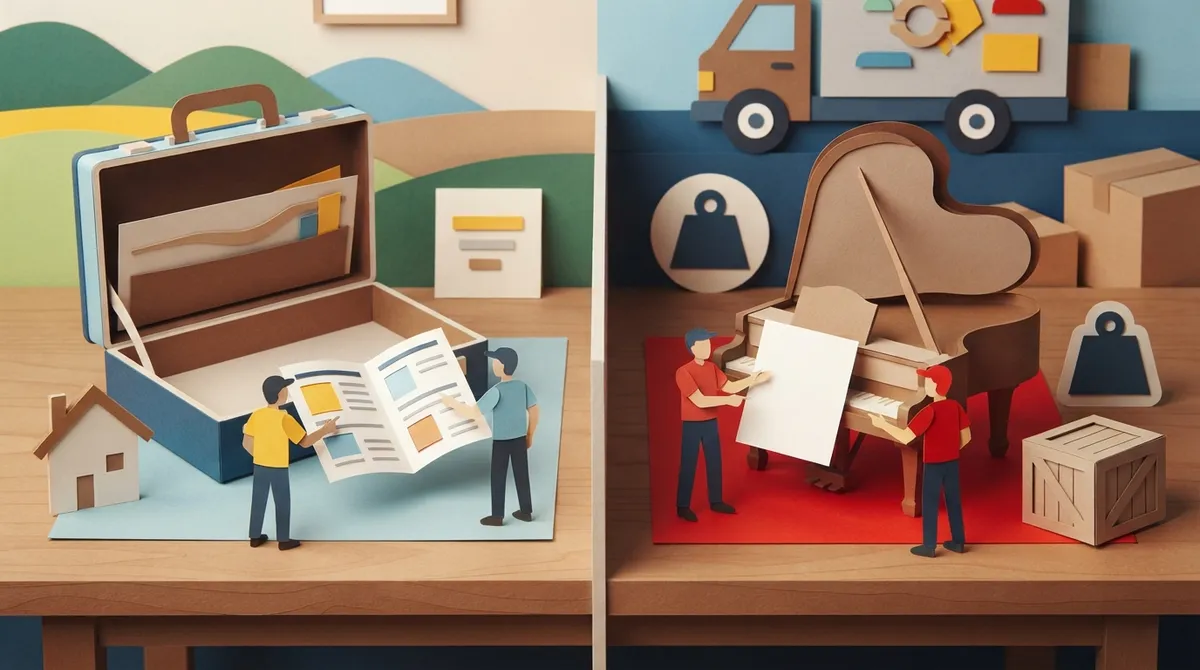
Why isn't a piano priced like a coffee table? Because the work is very different. Heavy-item moves are typically assessed on their own, since the item, the route, the crew size, and the equipment can change the job a lot.
A fair estimate looks at several things:
- Size and weight: How big and how heavy is the item?
- Build and fragility: Is it delicate, antique, or extremely dense?
- Access at both ends: Stairs, elevators, turns, and tight doorways all matter.
- Distance: How far is the trip?
- Special needs: Disassembly, special placement, or extra protection.
Want to see how pricing works in general? Our guide on how movers charge breaks it down in plain English.
3. The Right Gear Makes All the Difference
Muscle alone is not enough. Good heavy item movers bring equipment designed for the job. Depending on the item and the route, a crew may use:
- Heavy-duty dollies
- Piano boards or skids
- Lifting straps
- Ramps
- Thick protective padding
- Floor runners to protect your flooring
- Lift gates or hoisting equipment for tough spots
The setup depends on what's being moved and where it's going. Many specialty moves also need a bigger crew. That's not an upsell; it's a safety must. A properly sized team keeps people and property protected.
4. A Quick Look at Common Heavy Items
Every heavy item has its own personality. Here's a simple comparison to help you know what to expect.
| Item | Main Challenge | Helpful Prep |
|---|---|---|
| Piano | Weight, delicate internal parts, awkward shape | Share make, model, and size; clear the route |
| Gun safe | Extreme density and concentrated weight | Share weight and dimensions; note any stairs |
| Hot tub | Bulky shape, plumbing and electrical connections | Drain and disconnect; confirm who reconnects it |
| Large appliance | Bulk, doors, and hoses or lines | Disconnect and empty beforehand |
| Antique furniture | Fragile finish and joints | Point out weak spots; allow extra padding |
Curious about specific items? We have deep dives on moving a piano safely, moving a gun safe without injury or damage, and moving hot tubs.
5. How to Get an Accurate Quote
The more you share, the better your quote. Think of it like giving a doctor your full history. A little detail now saves headaches later.
Here's what to have ready when you call:
- The item's make, model, and approximate weight and dimensions
- Pickup and delivery addresses
- Stairs, elevators, and how many steps
- Narrow hallways, tight turns, or uneven ground
- Whether the item needs disassembly or special placement
- Photos of the item and the path it must travel
Photos are your secret weapon. A quick snapshot of a tight stairwell tells a mover more than ten minutes of explaining. If you'd like to see what a solid quote looks like, read what to expect from a free moving estimate.
Ready now? You can get a free estimate from DynaMight Movers. We keep pricing transparent so your estimate is your price.
6. Prep Work You Can Do Before the Crew Arrives
A little prep can save time and keep your move running smoothly. Here are friendly, practical steps:
- Clear the path. Move shoes, rugs, plants, and small furniture out of the way.
- Protect what you can. Note delicate flooring or tight corners ahead of time.
- Empty the item. Take everything out of cabinets, safes, and appliances. Heavy contents add weight and risk.
- Handle utilities. A hot tub, for instance, may need to be drained and disconnected before it moves.
- Confirm responsibilities. Ask who handles plumbing, electrical work, disassembly, and reconnection.
That last point matters a lot. Some items need a licensed trade professional for disconnecting or reconnecting. Clear communication keeps everyone on the same page.
If you're moving a hot tub, our article on moving a jacuzzi without wrecking your back is a great companion read. And for more on technique, see our heavy lifting moving tips.
7. How to Vet a Heavy Item Mover Before You Book
This is the big one. Not every mover has the experience to handle a 600-pound safe. Before you say yes, check the basics.
Ask About Experience
Ask how often they move your type of item. A crew that handles pianos or safes regularly will have a smoother process than one trying it for the first time.
Check Licensing and Insurance
Confirm the company is properly licensed for your move and carries insurance. Ask about valuation or coverage options for specialty items, and what's excluded. Our article on 9 ways to spot licensed and insured movers in Polk County walks you through it.
Get It in Writing
A written estimate should spell out what's included. Ask whether it covers loading, transportation, delivery, and placement. This matters because labor-only services may not include a truck or transportation at all. If you're weighing options, read about labor services in moving.
Use This Quick Checklist
| Question to Ask | Why It Matters |
|---|---|
| Do you move my specific item? | Some companies decline certain items |
| Are stairs allowed? | Stair policies vary |
| Is the truck included? | Labor-only may not include transport |
| What coverage applies? | Protects you if something goes wrong |
| Who handles disconnect and reconnect? | Avoids last-minute confusion |
For more guidance, check out how to choose specialty item movers you can trust.
Who Benefits Most From Heavy Item Movers?
Honestly, almost anyone with a big, tricky piece. But a few groups feel the benefit most:
- Retirees and seniors: You shouldn't risk your back on a heavy dresser. Let a patient, trained team do the lifting. See our senior moving services in Polk County.
- Family estate owners: Big homes often hold pianos, antiques, and heavy furniture that need careful, experienced handling.
- Luxury apartment residents: Tight elevators and strict building rules call for crews who protect floors and walls.
- Specialty item owners: If you own valuable or awkward pieces, damage-conscious transport is worth it.
Why Local Matters in Polk County
Moving heavy items in Central Florida has its own quirks. Many Polk County homes have outdoor patios, pool areas, and hot tubs. Older Lakeland homes may have narrow doorways, while newer Davenport builds may have tall staircases. A local team knows these layouts and plans ahead.
DynaMight Movers is a licensed and insured moving company serving Lakeland, Winter Haven, Davenport, Dover, and nearby areas. We bring the strength, the right equipment, and a calm, caring attitude to every job. Curious what neighbors say? Visit us on Google — DynaMight Movers and see for yourself. You can also explore our guide to heavy item mover tips for Lakeland.
For extra reading on safe lifting, the CDC's NIOSH workplace safety resources offer helpful background on avoiding strain. You can also review consumer protections at the FMCSA Protect Your Move page, and check state consumer information through the Florida Department of Agriculture and Consumer Services.
A Few Common Mistakes to Skip
Even careful folks slip up. Here are some easy ones to avoid:
- Guessing at weight. Look up the make and model instead.
- Forgetting about access. A great item is no help if it won't fit through the door.
- Booking too late. Specialty crews fill up, so plan ahead when you can.
- Trying the DIY route. Heavy items cause real injuries and property damage every year. When in doubt, call a pro.
Need a refresher on avoiding costly errors? Our post on 14 mistakes to avoid when hiring local residential movers is full of friendly advice.
Final Thoughts: Heavy Lifting Without the Heavy Stress
Moving a piano, safe, or hot tub doesn't have to feel like wrestling a bear. With the right heavy item movers, a clear plan, and a bit of prep, it can go smoothly and safely. Remember the big ideas: share details for an accurate quote, prep your space, ask about licensing and insurance, and get everything in writing.
You deserve a team that treats your belongings like they matter, because they do. If you're ready to move something heavy, awkward, or precious, we're here to help. Request your free, no-obligation estimate today, or call us at (866) 349-7719 and let's get your move started the right way.
FAQs
Q: What items do heavy item movers typically move?
A: Heavy item movers commonly handle pianos, gun safes, hot tubs, large appliances, oversized furniture, and antiques. Some also move commercial or industrial equipment. Policies vary by company, so always confirm your specific item before booking.
Q: Can movers take a gun safe or piano up or down stairs?
A: Often yes, but it depends on the company, the item, and the staircase. Stairs usually need a larger crew and extra equipment, so tell your mover about the number of steps, turns, and tight spots when you request a quote.
Q: What information do I need for an accurate heavy-item moving quote?
A: Share the item's make, model, approximate weight, and dimensions, plus pickup and delivery addresses. Mention stairs, elevators, narrow passages, and any disassembly needs. Photos of the item and the route help a lot.
Q: Do heavy-item movers provide the truck and transportation?
A: Many full-service movers include the truck, loading, transport, and delivery. Some labor-only services do not provide a truck at all. Ask exactly what your written estimate covers so you know what to expect.
Q: How should I prepare a hot tub, piano, or safe before movers arrive?
A: Clear and protect the path, and empty the item of any contents. A hot tub may need to be drained and disconnected first. Also confirm who handles any plumbing, electrical, disassembly, and reconnection work.